
Alarms Are Forgotten… Until an Inspector Asks for Them
One inspection trend has become increasingly visible in recent FDA inspections: inspectors are looking beyond the primary process data and focusing on metadata that completes the story. This includes audit trails (which we will discuss in a future blog), but also manufacturing alarms, event logs and other electronic records.
In my experience, alarms generated by manufacturing equipment are often a blind spot in Data Governance programs.
Why are alarms so important?
Alarms tell the story of what happened outside the normal process. They indicate process disturbances, equipment issues, operator interventions and abnormal situations. If alarms are not permanently retained, reviewed or linked to investigations, this important part of the story is lost.
Additionally, alarms demonstrate how seriously an organization treats "not-normal" situations.
The importance of alarm management is also reflected in Europe’s GMP world: The draft revision of EU GMP Annex 11 introduces an entirely new chapter dedicated to alarms and their management [1, §8].
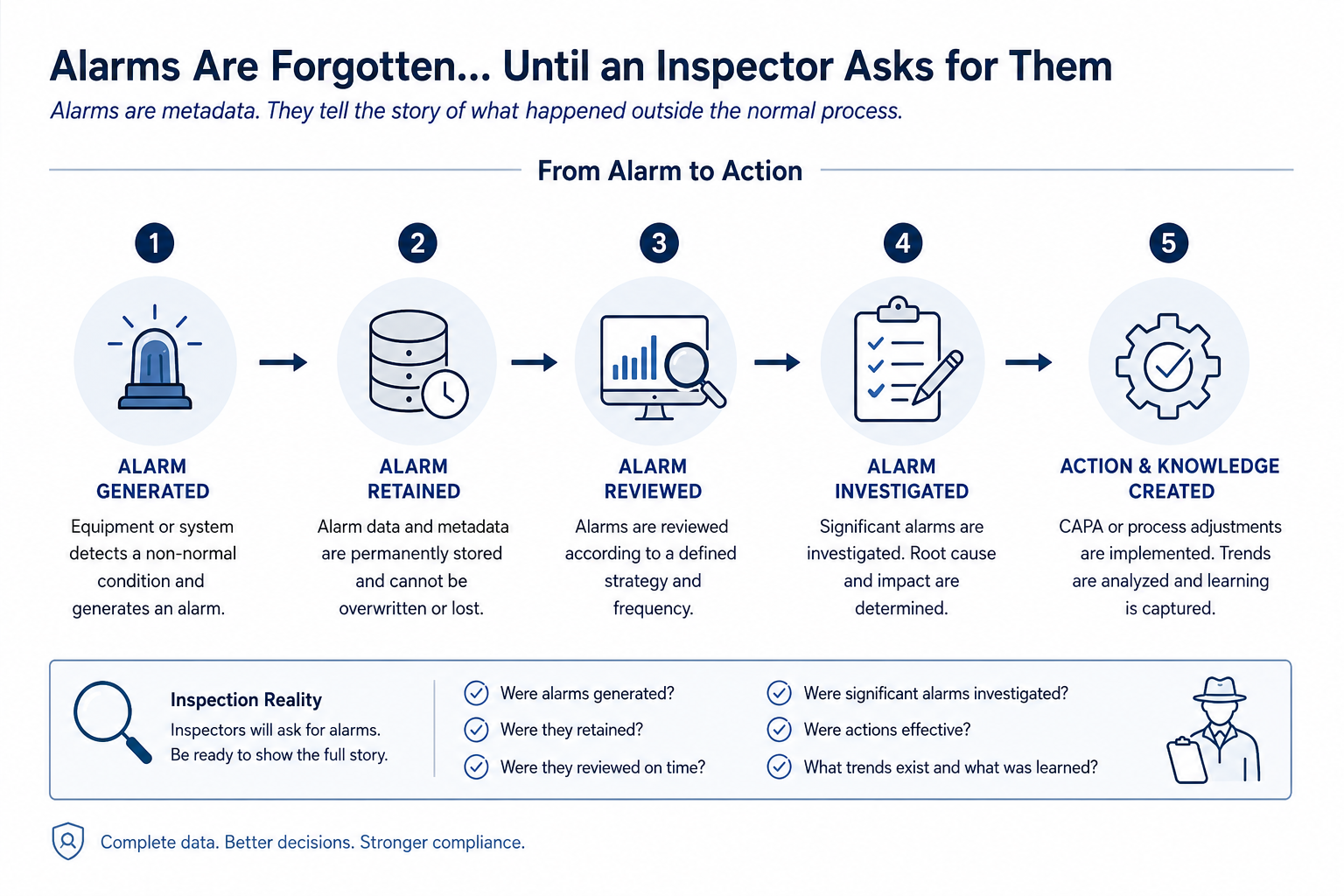
Figure 1: Graphical Abstract for this blog. Created with the support of an AI assistant!
A practical approach for alarm management
The same principles apply to alarms as to any other critical data or metadata. Rather than creating separate processes for audit trails, alarms and other metadata, they should be managed within one integrated Data Governance approach.
Start by reviewing (or creating) your data flow maps and identifying all relevant data and metadata generated throughout the equipment lifecycle. Too often, these maps focus only on the successful batch run. However, alarms may occur between production runs, affecting the qualified state of equipment and ultimately the validated state of the manufacturing process.
A practical step is to compile a complete inventory of all possible alarm types. Surprisingly, this information is not always readily available from equipment suppliers.
Subject Matter Experts can then assess the criticality of each alarm using a risk-based approach and document the rationale accordingly.
Finally, incorporate alarms into your data review strategy, ensuring that responsibilities, review frequencies and escalation criteria are clearly defined. Do not forget to include alarm records in your data retention strategy.
Recent regulatory observations
As promised throughout this blog series, here are some recent inspection examples illustrating this topic.
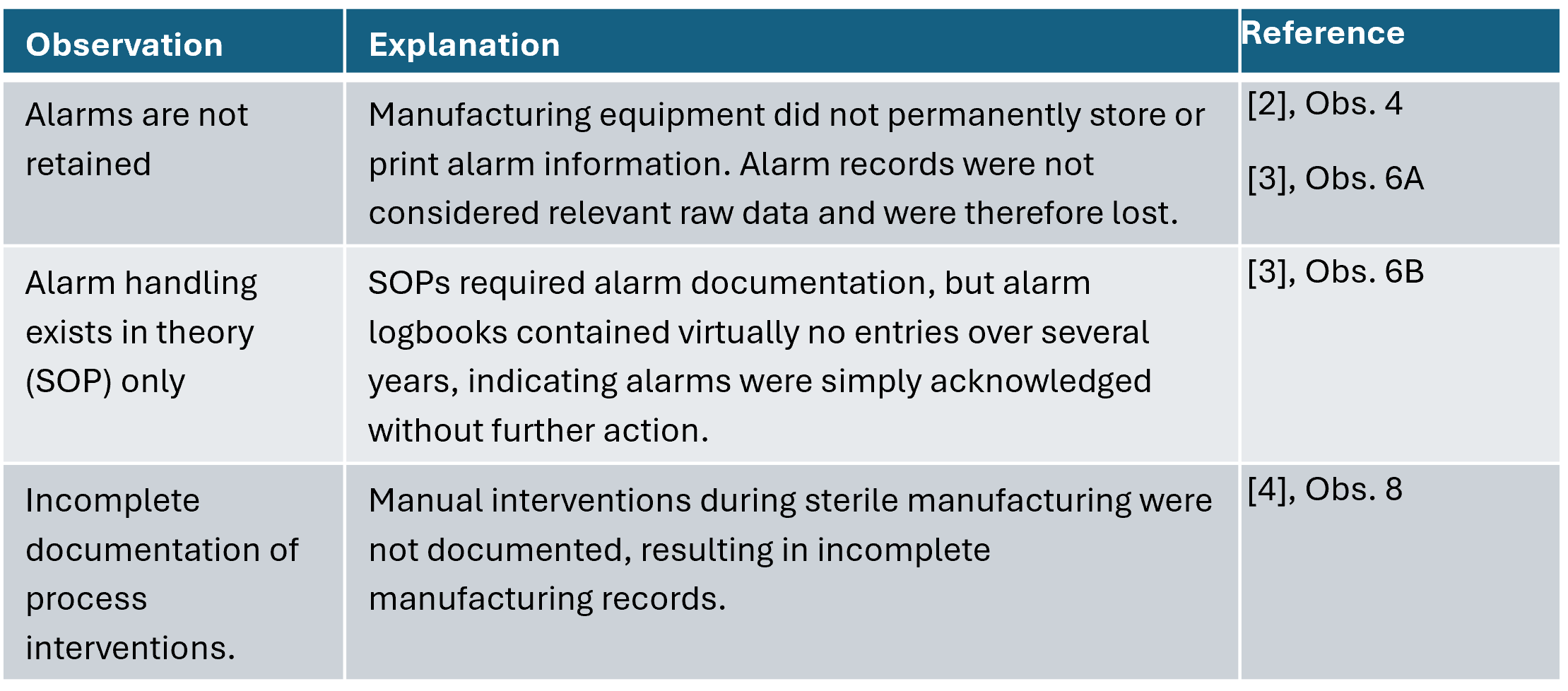
Table 1: Examples for FDA observations covering alarm management. Links are provided in the References section.
Take-home message
An alarm is not just a technical notification but it is valuable metadata.
When properly retained, reviewed and investigated, alarms provide evidence that abnormal situations are understood, managed and resolved. When ignored, they may become compelling evidence for an inspector that process understanding, and Data Governance are not as robust as expected.
What's next?
If you would like to learn more about Data Integrity in a dedicated workshop or have your current Data Governance program assessed, feel free to contact me. To stay informed about future blogs, webinars and events from umk consulting, subscribe to our newsletter: https://www.umk-consulting.com/contact
References:
[1] https://health.ec.europa.eu/document/download/40231f18-e564-4043-94de-c031f813d38b_en?filename=mp_vol4_chap4_annex11_consultation_guideline_en.pdf
[2] https://www.fda.gov/media/165827/download
[3] https://www.fda.gov/media/173542/download
[4] https://www.fda.gov/media/191557/download
